The Method
A structured, embodied framework for trauma-aware, transpersonal healing.
What is Transpersonal Somatic Therapy®
Transpersonal Somatic Therapy® (TST®) is an integrative, trauma-informed modality that works directly with the nervous system, embodied memory, and the expanded dimensions of human experience.
Developed through hands-on clinical practice, TST® provides a structured approach to facilitating healing that is both grounded in somatic science and informed by transpersonal psychology.
Rather than relying on conversation alone, this method engages the body as the primary site of transformation.
TST® is designed to support safe, measurable, and embodied change.

Core Principles of the Work
TST® is guided by a set of foundational principles that ensure both effectiveness and integrity in practice.
The Body as the Primary Interface
Healing is accessed through direct engagement with the body, where patterns of tension, memory, and regulation are held.
Nervous System First
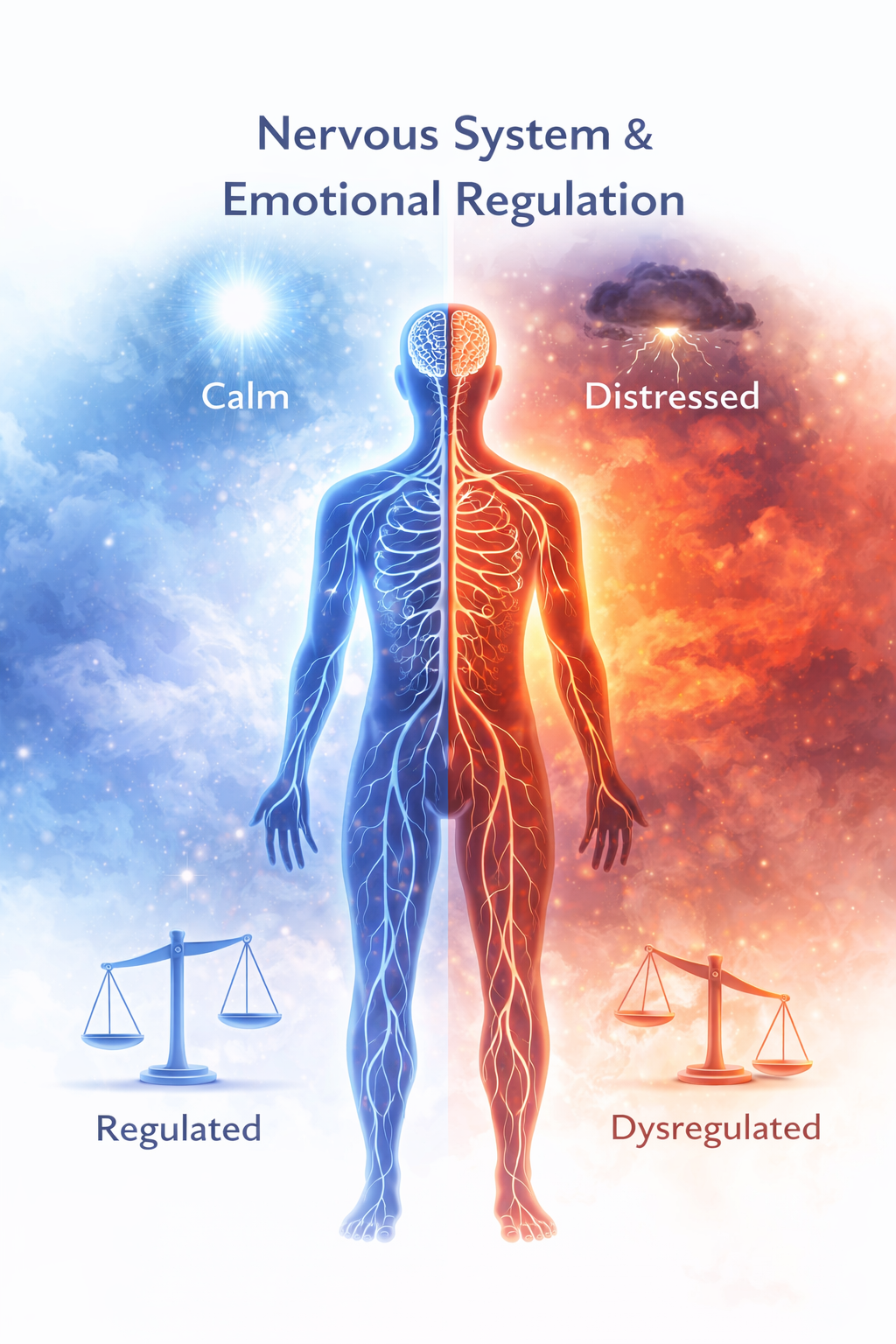
All work is grounded in nervous system awareness, prioritizing safety, regulation, and capacity over intensity.
Trauma-Aware, Not Trauma-Driven
The goal is not to revisit or amplify trauma, but to create conditions for safe integration.
Presence Over Technique
Techniques support the work, but the practitioner’s presence, attunement, and responsiveness are primary.
Integration Over Catharsis
Sustainable change comes through integration, not momentary release.
Transpersonal Awareness Without Bypass
Spiritual insight is welcomed, but never used to avoid or override embodied experience.
A Defined Session Model
Transpersonal Somatic Therapy® follows a structured process designed to support consistency, safety, and depth across sessions.
This model allows practitioners to work with clarity while remaining responsive to the individual.
1. Arrival
Establishing presence, safety, and orientation
The practitioner guides the client into awareness of the body and present moment, establishing nervous system safety and relational trust.
2. Attunement
Mapping the body and listening to the system
Through observation, touch, and awareness, areas of tension, activation, and disconnection are identified without force or interpretation.
3. Regulation
Stabilizing the nervous system and building capacity
The practitioner supports the client in accessing internal resources, allowing the system to settle and prepare for deeper engagement.
4. Engagement
Working directly with embodied patterns
Targeted interaction through touch, breath, and awareness allows stored patterns to shift, release, or reorganize safely.
5. Integration
Organizing change and returning to wholeness
The system is given space to integrate, settle, and anchor new patterns, ensuring the work is sustainable beyond the session.
This structure ensures that sessions remain grounded, ethical, and effective.
A Bridge Between Disciplines
Transpersonal Somatic Therapy® exists at the intersection of multiple fields, while maintaining a clear and defined identity.
TST® integrates elements of:
• Somatic therapy and body-based practice
• Nervous system regulation principles
• Trauma-informed care
• Breath and awareness-based techniques
• Energy sensitivity and subtle perception
• Transpersonal psychology
Rather than blending techniques, TST® organizes these elements into a cohesive and teachable method.
Ethical, Trauma-Aware Practice
TST® emphasizes:
• Clear consent and communication
• Scope of practice awareness
• Trauma-informed pacing
• Professional boundaries
• Client autonomy and agency
Practitioners are trained to recognize capacity, avoid overwhelm, and prioritize safety at all stages of the work.
Where This Method Applies
Transpersonal Somatic Therapy® may support:
• Nervous system dysregulation
• Chronic tension and somatic pain patterns
• Emotional processing and integration
• Trauma recovery (within scope)
• Life transitions and identity shifts
• Embodied spiritual development
TST® is not a replacement for medical or psychological care, but may be used alongside other forms of support.